A water bottle is usually the simpler starting point for airsoft games with regular breaks at staging. A hydration bladder becomes more useful when you carry a pack for longer periods and can reach its drinking tube while keeping your required protection correctly fitted.
Neither is an automatic upgrade. The right choice depends on where your water will be, how you will reach it and whether you will clean the equipment afterward. Start with the bottle you already own, then work out whether a reservoir solves a real problem.
Some shopping links are affiliate links. We may earn a commission at no extra cost to you. As an Amazon Associate I earn from qualifying purchases. See our affiliate disclosure.
Hydration bladder vs water bottle: the practical differences
| Consideration | Water bottle | Hydration bladder |
|---|---|---|
| Access | You need to reach the bottle, open it and put it away again. | A routed hose can stay within reach, provided it works with your protection and field rules. |
| Checking what remains | A clear bottle makes the remaining water easy to see. | A reservoir inside a pack may need to be removed or inspected to check accurately. |
| Refilling | A separate bottle is easy to take to a refill point. | Access depends on the pack, reservoir opening and hose connection. |
| Cleaning | A basic screw-cap design has relatively few parts. Straw lids add more. | The reservoir, hose, valve and connections all need attention. |
| Fit | Check that your pocket holds the actual bottle securely. | Check the filled reservoir inside the pack with the rest of your kit. |
| Starting cost | You may already own a suitable bottle. | Check whether the reservoir, carrier and cleaning tools are included or sold separately. |
When a bottle makes more sense
If your games regularly return to staging, a bottle can be all you need. It is easy to take out, refill and check before the next round. You also avoid buying a reservoir just to leave it in a bag beside the same table.
For carrying water into play, check the pocket rather than relying on the bag’s description. Put your filled bottle in it, secure any retention and bend down. Make sure it does not fall out or prevent you from reaching other equipment. An external pocket is less useful if you cannot get the bottle back into it without help.
A simple bottle also suits anyone who wants less cleaning work. That advantage narrows if you choose a lid with a straw, valve or several removable seals. Compare the parts you will actually have to wash.
When a hydration bladder earns its place
A bladder, also called a reservoir, puts the water inside a pack and brings it to you through a tube. That can be convenient when the game keeps you away from staging and the hose is easier to reach than a bottle.
Try the complete setup before buying accessories around it. Wear your usual jacket, rig and protection. Check that the drinking tube reaches without pulling your mask out of position, and route it so it stays secure without restricting movement. If you cannot use it with the required protection correctly fitted, take a break in the designated area instead.
Do not assume a full-face mask will work with every bite valve. Never cut, drill or otherwise alter protective equipment to make drinking easier. Field rules still apply: for example, Ballahack’s rules prohibit removing eye and face protection on the field. Follow your own site’s instructions about where adjustments are permitted.
Check the bag with the reservoir filled
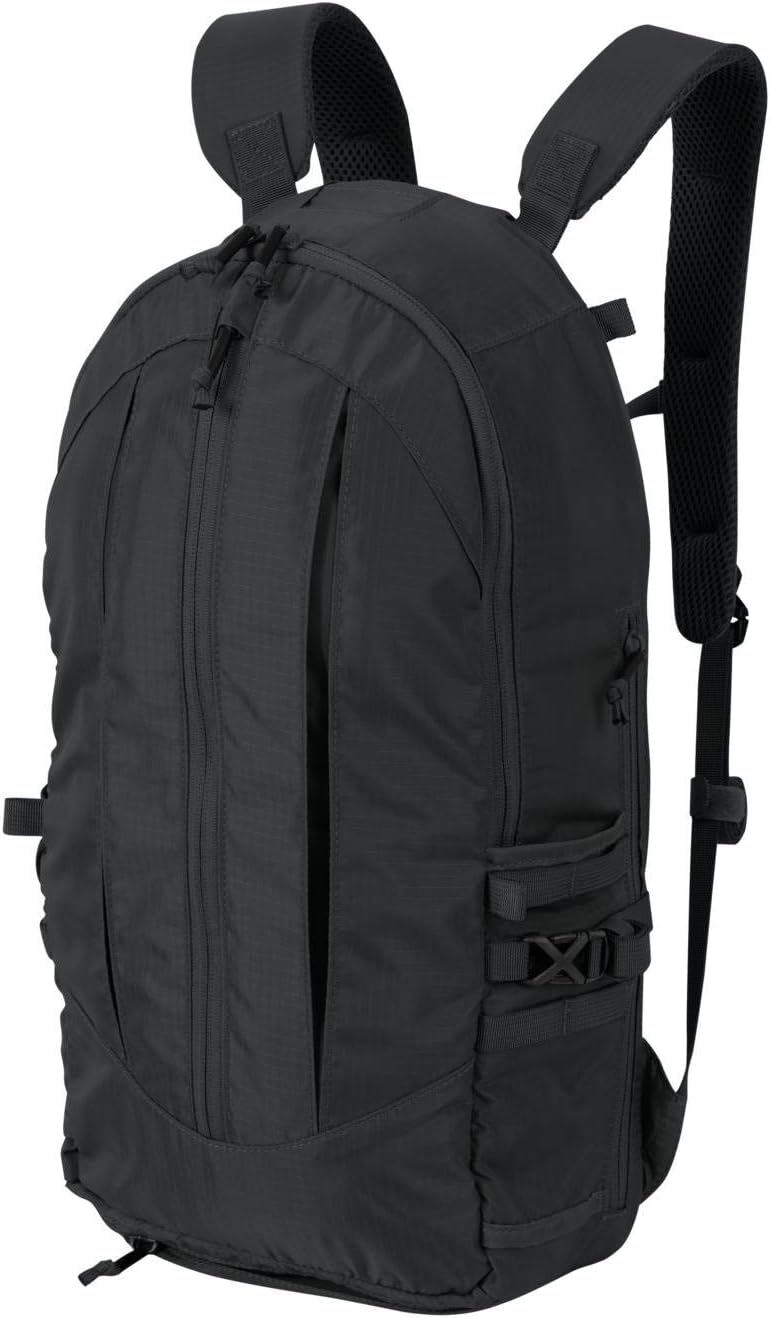
An empty reservoir can look as though it fits almost anywhere. Fill it to the level you intend to carry, within its marked limit, then check the setup with your normal load. Look at the hanger, hose exit, room around the closure and whether other equipment presses awkwardly against it.
The opening also needs to be usable at a refill stop. Can you reach it without unpacking everything? If the hose disconnects, does the maker provide instructions for reconnecting it securely? HydraPak’s filling instructions, for example, cover its connector and slider closure and warn against exceeding the fill line. Follow the instructions for your particular design.
Before the first game, fill and close the system at home and check for drips around its closure, hose connection and valve. Do this away from equipment you want to keep dry. A wet patch is a reason to fix the problem before packing, not something to discover at the field.
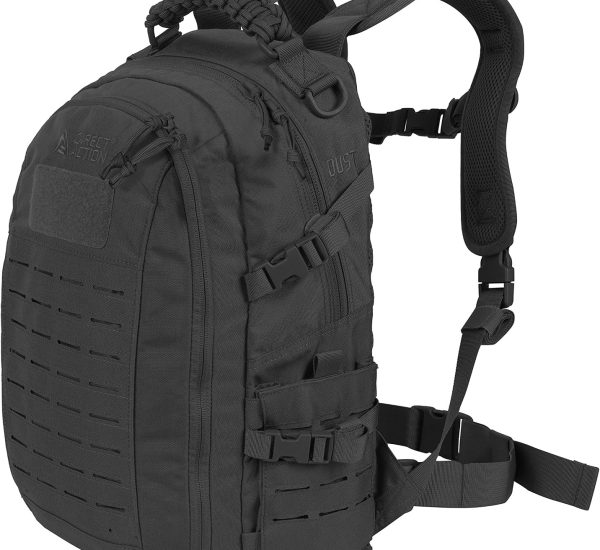
Our small tactical backpack comparison explains the trade-offs between bottle pockets, reservoir storage and additional pouches. It does not replace a fit check with your actual container.
Cleaning is part of the choice
A reservoir needs more than a quick rinse of the main bag. Water also passes through the tube and bite valve. CamelBak’s care guidance covers the complete system and stresses thorough rinsing and drying before storage.
Use your own manufacturer’s instructions for disassembly, cleaning products and dishwasher use. Do not force apart parts that are not designed to detach. Advice is not interchangeable: Osprey’s reservoir cleaning guide, for instance, specifically warns against bleach and boiling water for the equipment it covers.
Bottles need care too. Wash the lid, threads and any removable drinking parts according to their instructions, then let everything dry. Nalgene’s storage advice calls for complete air drying with the cap removed. A bottle with an easy-to-reach opening may be the better choice if you know you will put off cleaning a hose.
Plan refills before choosing capacity
Ask the field where drinking-water refills are available and how long the games usually keep you away from them. An event may also have a required equipment list. Work out your supply for those conditions and your needs; a container’s capacity is not a guarantee that it covers the whole visit.
You can also use both methods: a reservoir in the pack and a separate bottle at staging. That gives you a convenient refill container or reserve, but only count it as available during play if you can actually reach it. Water left in the car will not help until you return to the car.
If you choose a reservoir, follow our hydration bladder cleaning and drying guide to care for the bag, tube and valve after use.
What to buy, if anything
For short games with regular breaks, begin with a bottle you already own. Consider a reservoir when the hose solves an access problem and you are happy to maintain the whole system. Neither option needs extra tactical branding to do its job.
If you need to shop, you can compare refillable water bottles on Amazon or hydration reservoirs on Amazon. These links open category searches. Check the selected model’s dimensions, included parts and care instructions before ordering.
Use our airsoft day-bag checklist to separate on-field essentials from staging supplies, or browse the Gear guides for related equipment advice.