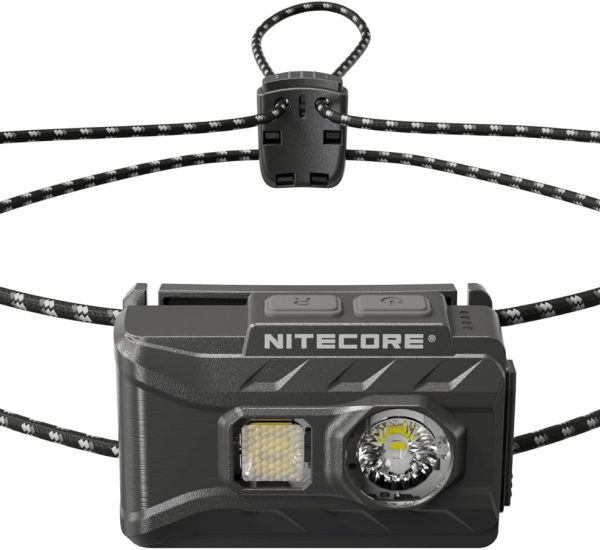
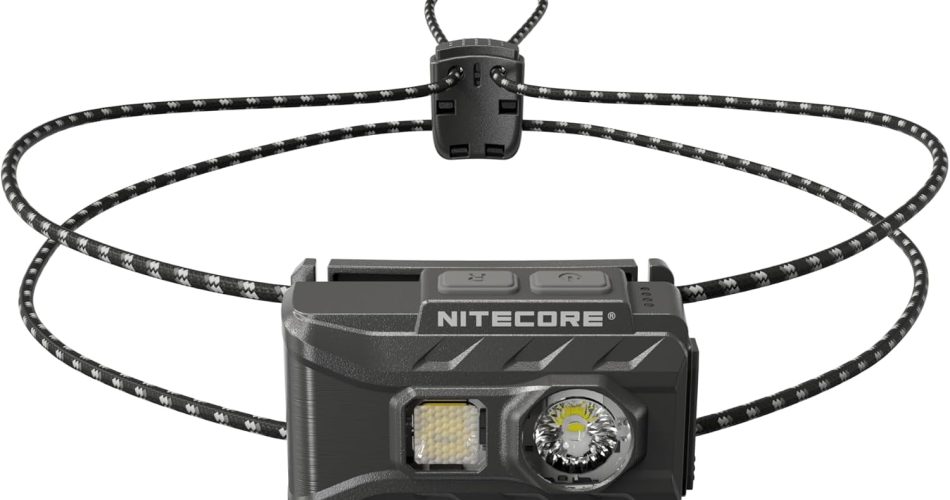
IPX4, IPX7 and IPX8 describe different water-exposure tests. They are useful when choosing a headlamp or flashlight, but they do not turn the word waterproof into a promise that you can use any light underwater.
Match the rating and the manufacturer’s instructions to the exposure you expect. Rain around camp, an accidental dunk and sustained underwater use are different requirements. Battery doors, port covers and post-use care still matter.
Our headlamp guide and AA flashlight guide compare specific lights. This guide explains the water-resistance labels behind those choices.
Read the two positions separately
Intertek’s IP-code guidance explains how to read the two positions. An IP code describes protection against ingress. The first position concerns solids such as dust; the second concerns water. An X means that protection level has not been specified through that test, rather than proving the product has no protection.
That distinction matters when comparing IPX8 with a two-digit rating such as IP66. An immersion label and a dust-and-water-jet label describe different information. Read each position instead of treating the entire code as a single score.
| Label | Water test described | Practical reading |
|---|---|---|
| IPX4 | Splashing water | A weather-resistance label, not an immersion rating. |
| IPX7 | Temporary immersion, commonly summarized as 1 meter for 30 minutes | Check the product instructions rather than treating it as a dive-light label. |
| IPX8 | Immersion conditions specified by the manufacturer | Read the actual depth and duration; the label alone does not state them. |
Petzl’s explanation of IP testing describes these distinctions and the separate solids and water positions. The important question is what the particular light is designed to withstand.
Why an immersion rating still needs instructions
Look beyond the abbreviated specification. Find the test conditions, the required position of covers and closures, and any directions for drying after wet use. Do this before a trip rather than while deciding whether a wet battery compartment is normal.
Black Diamond’s product instructions give a useful example of the limitation: its IPX8-rated light is tested to operate at least 1.1 meters underwater for 30 minutes, yet the company says water may enter the battery compartment and the light must be dried after wet use. The label does not eliminate that maintenance requirement.
A test description is also not a reason to recreate the test in a bucket. Use the equipment within its instructions and keep avoidable exposure out of the plan.
Choose for the outing, not the highest number
For a normal camp evening, ask how the light will be exposed to weather, where you will store it and how you will dry it afterward. Keep beam quality, controls and battery access in the comparison. A less convenient light does not become a better choice solely because its specification contains a larger digit.
If underwater use is actually part of the activity, look for equipment explicitly intended for it. Do not infer diving suitability from a general outdoor-light rating. If losing your only light would leave you unable to continue, plan an independent backup rather than expecting a rating to remove every failure risk.
Keep your backup accessible and protected in the day bag. A wet outer backpack and a dry light are separate questions, which our pack rain-protection guide explains.
Check before packing and after wet use
- Inspect the battery door, seals and charging-port cover for dirt or damage.
- Close the light as its instructions require before exposing it to weather.
- Follow its drying directions after wet use, including any instructions for opening a removable-battery compartment.
- Follow the charging instructions and keep moisture away from charging connections.
These are checks to make against the manual, not a universal disassembly procedure. Do not open an integrated battery housing just because another light has a removable door.
Water resistance is one part of choosing useful lighting. For the rest of the decision, read how many lumens you need for camping and headlamp vs flashlight. Compare the beam and the power plan alongside the conditions the light is designed to handle.