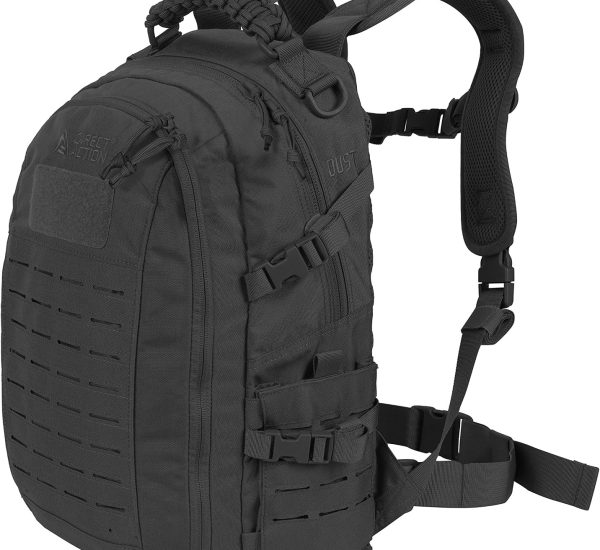
A small tactical backpack can have the right capacity and still feel wrong when loaded. Pulling every strap tighter rarely solves the whole problem. The harness needs to fit your body, the load needs to sit sensibly, and the pack must work with the clothing and equipment you actually wear.
Fit the loaded bag with your usual kit on, then test movement and access. An empty-pack try-on tells you little about a day with water, a spare layer and other equipment inside.
This guide is for an ordinary removable daypack. A pouch attached directly to a plate carrier has different access and attachment requirements. Compare the layouts in our small tactical backpack guide if you are still choosing the bag.
Start with torso fit, not the liter label
Capacity tells you roughly how much the bag holds, not whether its shoulder straps suit you. REI’s daypack guidance identifies torso length and hip size as key fit factors and recommends trying the pack with weight inside.
Check the maker’s fit range and whether the harness adjusts. A fixed harness is not automatically a problem, but its shape must work for you without relying on an adjustment it does not have.
If you need to measure your torso, use the brand’s method and sizing chart. Osprey’s sizing guide, for example, explains the measurement from the base of the neck to the level of the iliac crest. Do not choose from overall height alone or transfer one brand’s size label to another.
Load the bag before adjusting the harness
Use your normal day-game equipment, including the water you expect to carry. Start from the day-bag checklist and remove things that belong in the car or safe zone rather than carrying them by habit.
Check that the load is balanced and secured. If the bag pulls to one side, look for a heavy item or bottle sitting off-center before compensating with uneven shoulder-strap tension. Keep hard corners from pressing through the back panel.
Close the compartments and use compression straps as intended. A loose object moving inside the bag is a packing problem even when the harness itself fits well. Adding another external pouch can make the load harder to manage, so try the existing compartments first.
Adjust only the features your pack actually has
Loosen the harness enough to start again. If the bag has a load-bearing hipbelt, fit it according to its instructions before settling the shoulder straps. A thin stabilizing waist strap should not be judged as if it were a substantial hiking hipbelt.
Take up shoulder-strap slack gradually until the bag sits close without digging in. Then adjust the sternum strap to keep the harness comfortably positioned. It should not need to restrict your breathing to stop the straps moving.
Osprey’s fitting sequence separates hipbelt, shoulder harness, load lifters and sternum-strap adjustments. Use that as an explanation of their different roles, not proof that a compact tactical pack has every feature. If load lifters are absent, there is nothing to adjust there.
Try the movements you will make on the field
Wear the same jacket and rig you plan to use. Put on the loaded bag and work through a simple check at home:
- Walk, turn and bend forward. Notice whether the load shifts or pulls you backward.
- Crouch and move your arms through their normal range. Check for straps or pouches that collide.
- Reach the items you expect to access yourself, especially water.
- Take the pack off and put it back on without needing another person to untangle the straps.
- Secure loose webbing using the bag’s keepers, while leaving enough adjustment for changing layers.
This is a practical screening routine, not a certification that the setup will feel comfortable all day. It is useful because it reveals access problems before you are tired, wet or wearing gloves.
Separate a fit problem from a packing problem
If the load moves inside, repack it. If the harness slips, reassess its adjustment and size. If the bag is comfortable over a shirt but awkward over your rig, repeat the test with the full setup instead of blaming capacity alone.
If adjustment still leaves pressure, rubbing or restricted movement, try another harness shape or carry less. Extra padding does not fix every mismatch. A pack that fits someone else’s shoulders is not automatically the right one for yours.
Finally, confirm that your water-carrying system and rain protection still work with the finished load. Fit the complete arrangement you intend to carry, then make small adjustments as the load changes during the day.