You discover the difference between a headlamp and a flashlight when you need to open a bag in the dark. A flashlight gives you a beam you can point anywhere, but now one hand is occupied. A headlamp leaves both hands free, but the beam follows your face, including when you turn to speak to someone.
Pack a headlamp first for camping, gear preparation and tasks that need two hands. Choose a flashlight first for short inspections and times when you need to point the beam independently of your head. For an overnight trip, a small second light provides a useful backup.
The right decision depends on the work, how long you will be away from power and where you can comfortably carry the light. You do not need the largest or brightest version of both.
Headlamp vs flashlight at a glance
| Task | Better starting point | Why |
|---|---|---|
| Cooking, pitching a tent or organizing equipment | Headlamp | Both hands stay available |
| Walking while carrying bags | Headlamp | No need to reserve a hand for light |
| Looking beneath a car or into a narrow gap | Flashlight | You can move the beam away from your face |
| A small light carried every day | Compact flashlight | Fits a pocket without a headband |
| Overnight camping or an event continuing after dark | Headlamp plus a small backup | A second light covers a flat battery, loss or failure |
When a headlamp makes the job easier
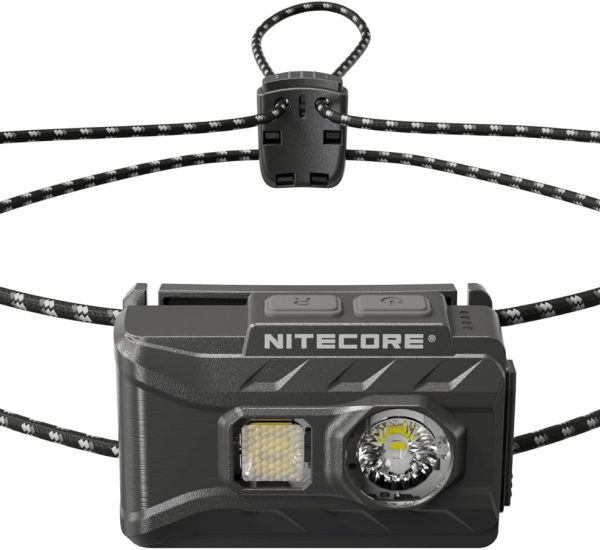
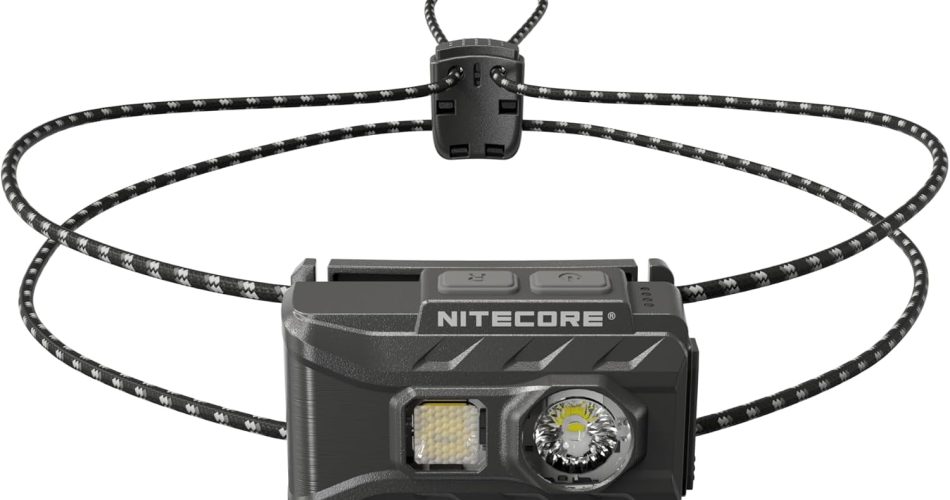
A headlamp is usually the more useful first light for camp. It lets you hold a tent pole while locating a clip, find something inside a bag, or work on equipment without balancing a torch on whatever happens to be nearby. The beam stays roughly where you are looking.
That advantage matters when carrying kit to or from an airsoft event, too. One hand may be carrying a bag and the other opening a gate or finding keys. You can keep a headlamp ready without having to juggle another object.
Fit matters as much as weight. Try the band with the hat and eye protection you actually wear, and check that the lamp tilts far enough to illuminate your hands. A light that is comfortable on a bare forehead may sit differently against other equipment. Keep straps clear of anything that interferes with the fit of your protective gear.
The main drawback is where the beam goes when you turn your head. Tilt it down and lower the output before talking to someone. If you spend much of the evening sitting opposite other people, a small light placed beside the task can be more considerate than a bright beam mounted at eye level.
When a flashlight is the better tool
A flashlight lets you separate where you look from where you shine. You can reach beneath a seat, hold the beam close to the ground or light a narrow gap without moving your whole head into position. That freedom is useful for inspections and finding dropped objects.
It is also easier to keep a small flashlight in a pocket every day. No strap needs untangling, and you can pass it to someone who needs a light. A clip helps keep it in a consistent place, so you are less likely to empty a bag searching for it.
The cost is an occupied hand. Some lights have a magnetic base, a tail that stands upright or a clip that fits a cap brim. Those features can help, but they depend on the surface or clothing available. A magnet needs suitable steel, and a cap clip does not offer the same adjustment as a purpose-built headband.
If pocket carry is your priority, see our AA flashlight picks. The guide separates ordinary AA performance from the higher peak output some models offer with a compatible lithium-ion cell.
Do you need red light?
A low red mode is useful around a campsite or while looking at the night sky. The National Park Service recommends red light for stargazing because it has less impact on night vision than white light. Keep it dim and aimed at the task.
White light is still useful when you need a clear view of the ground or need to distinguish colors. Red light is an option for certain jobs, rather than a reason to do everything in red.
For airsoft, check the event’s rules. Organizers may reserve particular colors or flashing patterns for identification and safety. Do not assume a red camping light serves the same purpose as a required dead-player marker. Neither a headlamp nor a pocket torch should be used to dazzle people.
Our red-light headlamp guide compares three models by power options, weight and practical controls.
Choose a battery plan before chasing more lumens
Decide how you will restore power when the light runs low. A rechargeable lamp is convenient if you can charge it before leaving. A replaceable-battery model is useful when you want to restore power quickly without waiting for a charge. A hybrid design gives you both options, but check what is included and what must be bought separately.
For two lights, consider whether shared batteries or a shared charging cable will simplify packing. Then keep some independence in reserve: two depleted lights and one empty power bank are still a lighting problem. A charged backup should be somewhere you can find without the main light.
Maximum brightness is a poor guide to how long a light will remain useful. REI’s buying advice explains the value of runtime graphs. Compare the brightness you expect to use, rather than combining a maximum lumen claim with a runtime quoted for the lowest setting.
Three practical packing choices
A daytime airsoft event
For an event ending well before dark, a compact flashlight can cover a dim parking area, a dropped item or a look inside your kit. If packing up may run into the evening, put a small headlamp in the bag as well. Keep it accessible alongside the other items in your day-game packing checklist.
A camping weekend
Start with a headlamp for camp chores and moving around with your hands full. Add a small flashlight if you want an independent backup or expect to inspect equipment. Pack the charging cable or replacement cells, rather than assuming the light’s current charge will cover the whole trip.
An overnight airsoft event
Bring the organizer’s required lighting and identification equipment first. Add a practical headlamp for preparation and camp use, plus a separate backup. Check how the lamp works with your kit before leaving, and learn how to reach low mode and lock the controls. A phone light is useful in a pinch, but using it for every task also spends the battery you may need for communication.
A quick check before you leave
- Turn on each light and check the battery or charge level.
- Find the low setting and, if fitted, direct access to red.
- Test the fit with your usual hat and protective equipment.
- Lock the controls or use the manufacturer’s transport procedure.
- Put the backup and its power supply where you can reach them easily.
If you are buying just one light for camping, a comfortable headlamp is the most useful starting point. If your main need is something small enough to carry every day, start with the flashlight. Add the second format when it solves a task or backup need you actually have.